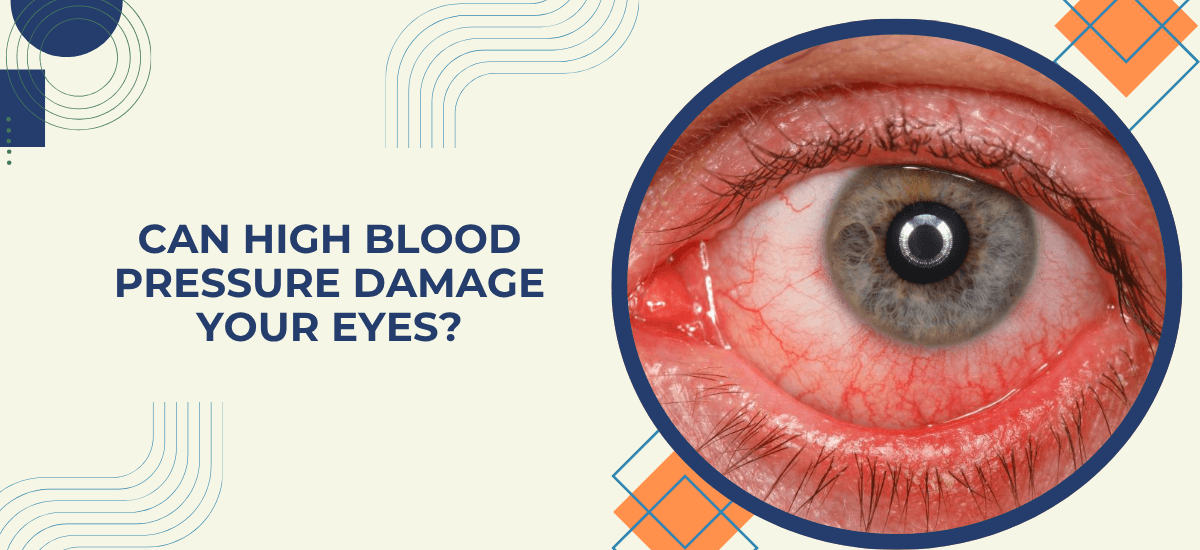
Yes it genuinely can and honestly a lot of people never make the connection until a routine eye exam turns up something unexpected. The eyes run on a network of tiny, delicate blood vessels, way smaller and more fragile than most people realize. Keep those vessels under constant strain from uncontrolled hypertension long enough, and they start narrowing, stiffening, sometimes leaking fluid or blood right where they shouldn't. It's not sudden usually. It builds quietly in the background for years, which is exactly why an eye exam ends up catching high blood pressure sometimes before a person even knew they had it.
Dr. Vaishal Kenia, Chairman and Medical Director at Eye Hospital in Mumbai, sees this play out more than people expect. "I've had patients come in for a routine checkup, no eye complaints at all, and we spot changes in the retinal blood vessels that point straight to uncontrolled blood pressure. Sometimes that's actually how someone finds out they're hypertensive in the first place. The eyes show this stuff early, well before a person notices anything's off with their vision, which makes an eye exam a genuinely useful window into what's happening with blood pressure elsewhere in the body."
How Does High Blood Pressure Actually Damage the Eyes?
- The retina depends on a dense mesh of tiny blood vessels to stay nourished, and hypertension puts constant pressure on that mesh. Over time the vessel walls thicken and narrow, a condition doctors call hypertensive retinopathy, and that narrowing directly limits how well the retina gets fed.
- Vessels under prolonged strain can start leaking fluid or blood into the retina itself. That leakage shows up as small hemorrhages or swelling on an eye exam, and depending on where it happens, it can genuinely start affecting vision, not just show up as a silent finding.
- The optic nerve isn't immune either. Severe, poorly controlled blood pressure can cause swelling at the optic nerve, something called papilledema, and that's a more urgent situation since it can threaten vision more directly than the retinal changes alone.
- Diabetes and high blood pressure together make things considerably worse than either one on its own. A lot of patients dealing with both conditions end up with compounded vessel damage, and our earlier piece on diabetic retinopathy covers a lot of the same territory from the diabetes side of things.
What Are the Warning Signs, and When Should You Get Checked?
- Blurred vision that comes and goes, especially during a spike in blood pressure, is one of the more common ways this shows up. It's easy to write off as tiredness or eye strain, but if it lines up with blood pressure readings, that connection's worth mentioning to a doctor.
- Headaches paired with visual disturbances, double vision, or seeing halos around lights deserve attention sooner rather than later, since this combination can point toward more severe hypertensive changes affecting the eye.
- Sudden vision loss or a noticeable shadow in part of the visual field is never something to wait out with hypertension in the picture, since severe cases can lead to vessel blockages or bleeding that need urgent care.
- Imaging tools like OCT and Optos ultra-wide retinal imaging let doctors actually see how the retinal vessels look, which matters a lot for catching hypertensive changes early, sometimes well before a person notices any vision changes at all. The retina clinic handles ongoing monitoring for patients managing blood pressure related eye changes.
Why Choose Kenia Eye Hospital?
Kenia Eye Hospital's been treating patients in Santacruz (West), Mumbai since 1998, and hypertensive eye changes get picked up here through proper retinal imaging, not just a quick glance during a routine visit. OCT and Optos mapping means the retina team can actually track how blood pressure's affecting the eyes over time, which matters a lot for patients managing hypertension long term.
NABH, QAI, and FEQH accredited. CGHS empanelled. Call +91 75064 99962 or book a consultation if you've got high blood pressure and it's been a while since your last eye exam.
