
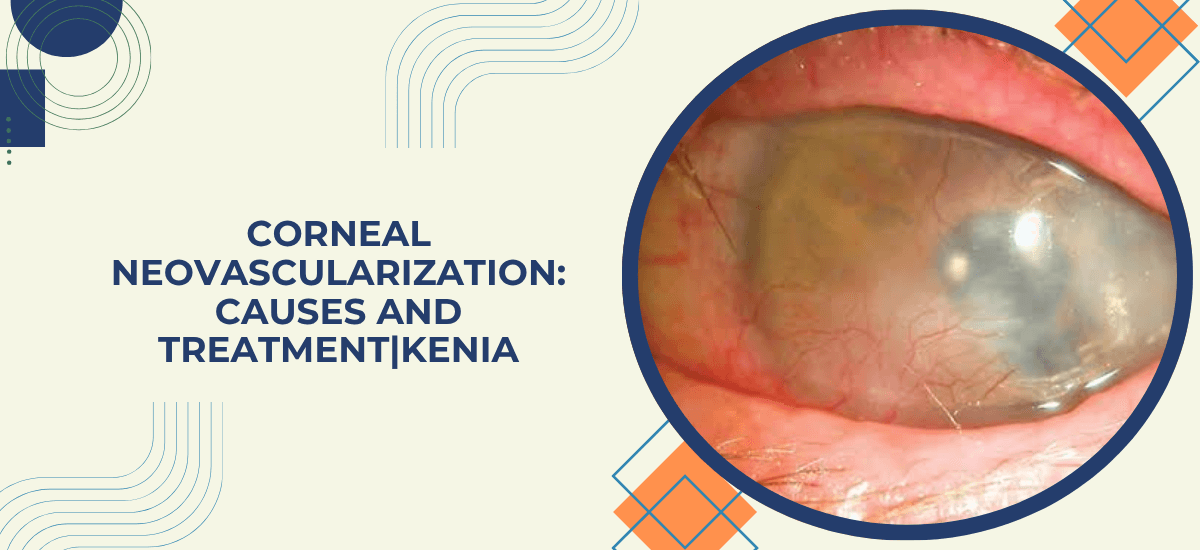
The cornea, that clear dome at the front, has no blood vessels in it. Not one, because vessels would block the light. Corneal neovascularization is what happens when that rule breaks and new vessels creep in from the white of the eye. The corneal neovascularization causes are mostly things the cornea reacts badly to, like too many hours in contact lenses, an infection that never fully cleared, a chemical splash, or years of dryness. Our cornea treatment team sees new blood vessels in the cornea often, and many of those patients also have dry eyes they never knew about. Spot it early and you've got more choices.
Dr. Vaishal Kenia, Chairman and Medical Director at Eye Hospital in Mumbai, says: "A healthy cornea works hard to stay empty of vessels. It keeps a balance of signals, some telling vessels to grow and others telling them to stay away. Starve the cornea of oxygen, inflame it, or injure it, and that balance tips. The eye releases growth signals, one called VEGF being the best known, and vessels start sprouting from the edge. So here's the thing patients should hear. The vessels aren't really the disease. They're the eye's reaction to something. Find the trigger and you've done half the job."
What Causes Corneal Neovascularization?
Too Little Oxygen From Contact Lenses
The cornea has no blood supply, so it breathes in air through its surface. Lenses that sit too tight, or get worn overnight, or for far too many hours, cut that off. After a while the eye decides the only fix is to bring in vessels. It's one of the commonest reasons in young, otherwise healthy people. If you're a long time lens wearer, get a proper check with the cornea treatment team, even when your eyes feel fine.
Infections and Inflammation
A bad bout of herpes keratitis, a bacterial or fungal ulcer, or trachoma can leave the cornea inflamed for long enough that vessels move in. Autoimmune conditions can do it too. And often it happens quietly, after an infection that seemed to have gone. If you've had a corneal infection before and your eye still looks red on one side, book a check.
Chemical Burns and Injury
Lime, acid, a firecracker, a flying splinter. Serious damage to the front of the eye triggers heavy inflammation, and sometimes it wipes out the stem cells at the cornea's edge that keep the surface healthy and vessel free. That's a double problem, and why chemical splashes are an emergency. Rinse straight away with clean water and come to our 24x7 emergency eye care desk.
Dry Eyes, Stem Cell Loss and Past Grafts
Long standing dryness and blocked oil glands keep the surface irritated day after day. Limbal stem cell deficiency, where the cells at the cornea's rim have been lost, lets vessels slide in. And a person who has already had a corneal transplant can grow vessels into the graft, which raises the chance of rejection. A proper dry eye evaluation is where we start with many of these.
How Is Corneal Neovascularization Checked and Treated?
Looking Closely Under the Microscope
Most of it is seen with a slit lamp, a bright microscope that lets us study the front of the eye. We photograph the vessels so we can compare later, and we note how long they are, how deep, and whether they're filled with blood. Detailed imaging with Anterion helps map the cornea's shape and clarity too.
Treating the Trigger First
No point tackling the vessels while the cause is still there. Stop the lenses or change them. Treat the infection. Calm the dryness. Sometimes that alone makes the vessels shrink back, which is the best case.
Medicines and Procedures for the Vessels
Steroid drops can damp down inflammation, though they need careful watching. Anti-VEGF medicine, the same kind used in retina clinics, is sometimes given as drops or a tiny injection to block the growth signal, and doctors often use it off label for this. For stubborn, thick vessels, a very fine needle with heat, or a laser, can close them off. All of this sits within cornea treatment.
When the Cornea Is Already Scarred
If vessels have left scarring and sight is poor, the cornea may need rebuilding. That could mean stem cell transplantation, or a corneal transplant. A cornea full of vessels is a harder one to graft, since rejection is more likely, so we try to clear the vessels first when we can. Kenia Eye Hospital is a HOTA approved centre for corneal transplants.
What Determines the Right Treatment Approach?
How Deep and How Far the Vessels Have Gone
A few fine vessels at the edge are a world apart from thick ones that have reached the centre. Depth matters too, since deep vessels are harder to treat. An OCT scan shows the layers of the cornea and where those vessels are sitting.
Whether They're Active or Old
Fresh vessels full of blood respond to treatment. Old, empty ones, called ghost vessels, don't do much damage, and often they're just left alone. It's a judgement call we make by looking at them over a few visits.
Whether the Centre of Vision Is Threatened
Vessels at the rim might never trouble you. Ones heading towards the middle can cloud the cornea and blur sight. We track the cornea's shape and clarity with Pentacam HR so the decision to act isn't a guess.
Whether the Cause Is Still Going On
If you're still wearing the same lenses, or the infection keeps flaring, any treatment will only be a short term fix. So we always ask what's happening in your eye now, not only what it looks like today.
Key Takeaway
- Your cornea is meant to have no vessels at all, so new ones in there are always worth getting checked.
- Lenses worn too long, old infections, chemical injuries and chronic dryness are the usual causes.
- Treating the cause comes first. Then medicines, a laser or a fine needle can close the vessels, and a transplant is the last step if there's scarring.
- Red eye that won't settle, light that hurts, or blurry vision? Come in. Call +91 75064 99962 to book a consultation.
